
The Deacon and Hadler Land
The DryThis thread traces how neighboring farms, inheritance, and potential land sales create a plausible but misleading motive around the murders.
increasing Bearing strength in each event
 decreasing
Bearing strength in each eventdecreasingNeighboring Properties
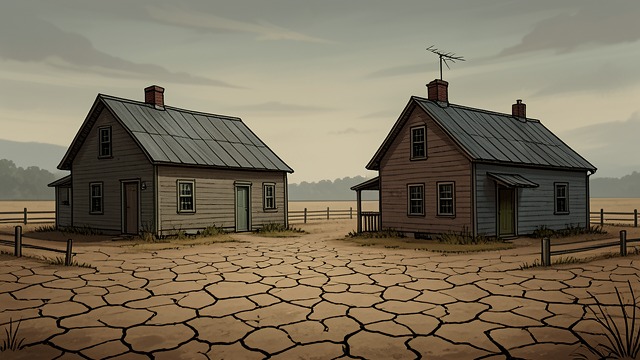
Neighboring Properties
A shared boundary
Hadler Farm sits near Deacon Farm, making the properties part of the same isolated landscape. Falk notices how much room separates the houses and how difficult it would be for neighbors to observe one another.
A possible commercial link
The two parcels might be more valuable together to outside investors. That possibility gives the Deacons a financial connection to the Hadlers’ land without proving any role in the killings.
An Inheritance Expected
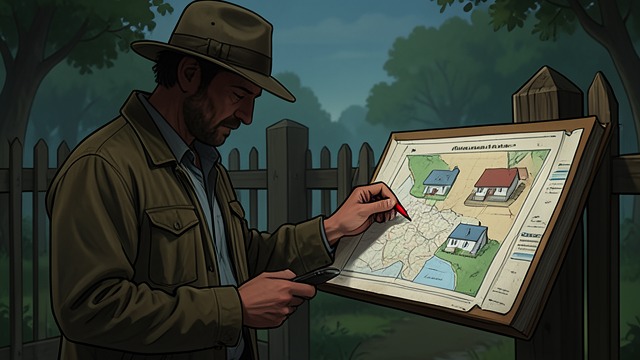
An Inheritance Expected
Dow’s anticipated gain
Falk learns that Grant Dow expects to inherit Mal’s property and may sell it rather than farm it. A combined sale with Hadler Farm could make the inheritance more valuable.
Suspicion takes hold
The prospect gives Dow a conceivable motive, particularly after his hostility toward Luke. Yet motive remains speculation until it can be connected to physical evidence or opportunity.
A Family Refuses to Sell
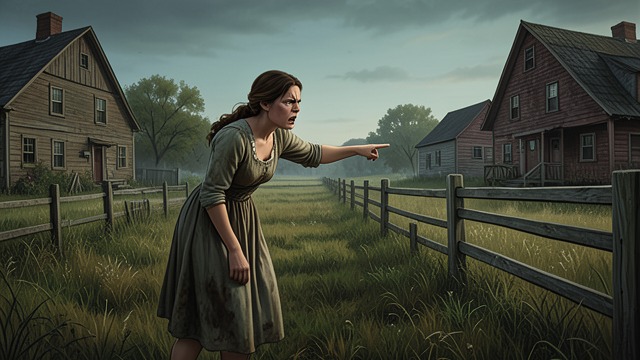
A Family Refuses to Sell
Resentment remembered
Barb recounts years of conflict with Mal, including suspected boundary interference and damage to the Hadlers’ land. Her anger explains why she rejects any partnership with him or Dow.
Old conflict as context
The account shows why the neighboring properties carry emotional as well as commercial significance. Longstanding hostility makes suspicion plausible, but does not prove that the old feud caused the new murders.
The Sale Theory Tested

The Sale Theory Tested
A direct challenge
Falk asks Dow whether he expects to sell Mal’s land and whether the Hadler parcel could increase its value. Dow acknowledges the possibility and reacts defensively.
A lead, not a conclusion
The exchange sharpens suspicion but does not place Dow at the farmhouse. His inheritance plans become one of several misleading trails that the investigation must test rather than accept.
The Land Motive Displaced
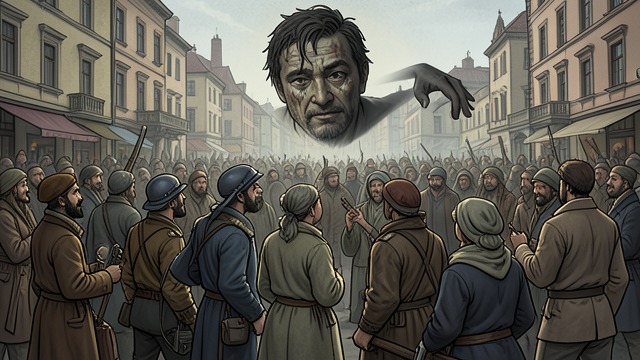
The Land Motive Displaced
The real motive emerges
The killings arise from Whitlam’s theft and fear of exposure, not a plan to consolidate farms. Dow’s inheritance and land-sale ambitions remain relevant background but do not explain the crime.
Suspicion corrected
The inquiry shows how an attractive motive can draw attention away from a less obvious one. Kiewarra’s economic weakness makes land speculation believable, but the money trail leads to the school grant instead.
When Falk returns to Hadler Farm
After Falk speaks with McMurdo
During Gerry and Barb’s farmhouse visit
During Dow’s police interview
After Whitlam is identified
